Evaluate the way in which Bruce Dawe's poetry and your related materials reflect hoe consumerism is continually changing within our society
Society has moulded to consumerism over the years, to the point that it is starting to control our lives. In the 1950’s, Bruce Dawe wrote poetry about how consumerism was changing society, and how it would continue to change society. Today, these changes are still occurring, as globalisation has resulted in our nation being influenced from countries across the globe. Dawe’s poems Televistas, Breakthrough, Abandonment of Auto’s and Americanized show the consequences of changing consumerism. Relationships aren’t ‘real’ anymore; children are being overexposed to consumerism. People are becoming excessively attached to their possessions, this leads to people defining themselves and valuing others by their worldly goods. These materialistic values of society have made our world unemotional. These consequences can be seen happening today in the movie Confessions of a Shopaholic and the song Material Girl by Madonna.
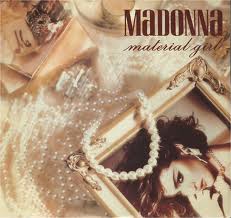
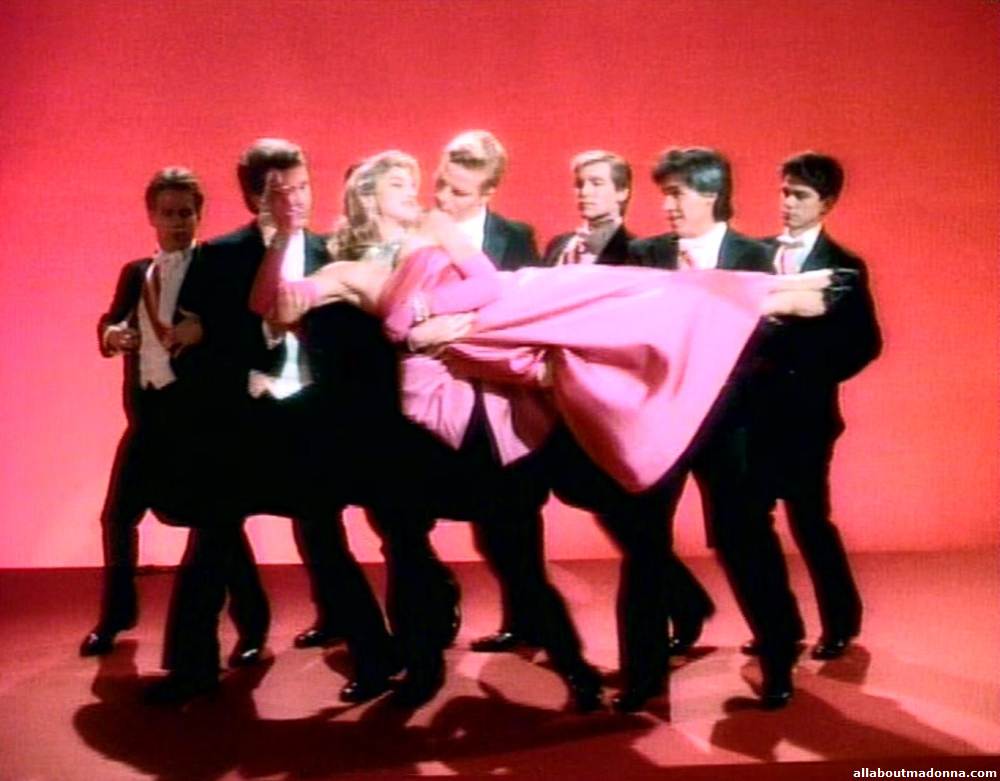
Consumerism is causing people to lose touch with each other, relationships aren’t as meaningful anymore. In the poem by Bruce Dawe, Televistas, the couple’s relationship is traced through its various stages of break-up to make-up in terms of television programs that progressively become graver. The relationship starts out in its young, happy stage, juxtaposed with cartoons. The poem ends, leaving the couple watching World at War, to symbolise that their relationship is also at war. While viewing these programs, they are consuming unhealthy snacks such as Cheezels. This unwholesome meal is symbolic of their weak, limited relationship. In the song Material Girl by Madonna, ‘the boy with the cold hard cash is always Mister Right.’ Relationships are built on money. She loves the person’s wealth, not the person. ‘Experience has made me rich and now they’re after me.’ She has been in many relationships purely for financial gain, and now that she has money, the boy’s are chasing her. This proves that no one cares about relationships anymore, there in it for the money. Bruce Dawe and Madonna have shown that the change in consumerism is making our society heartless, their only thinking about ‘number one.’

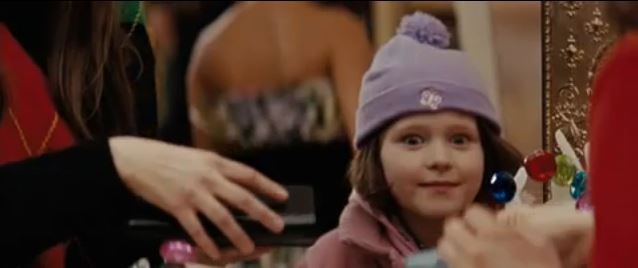
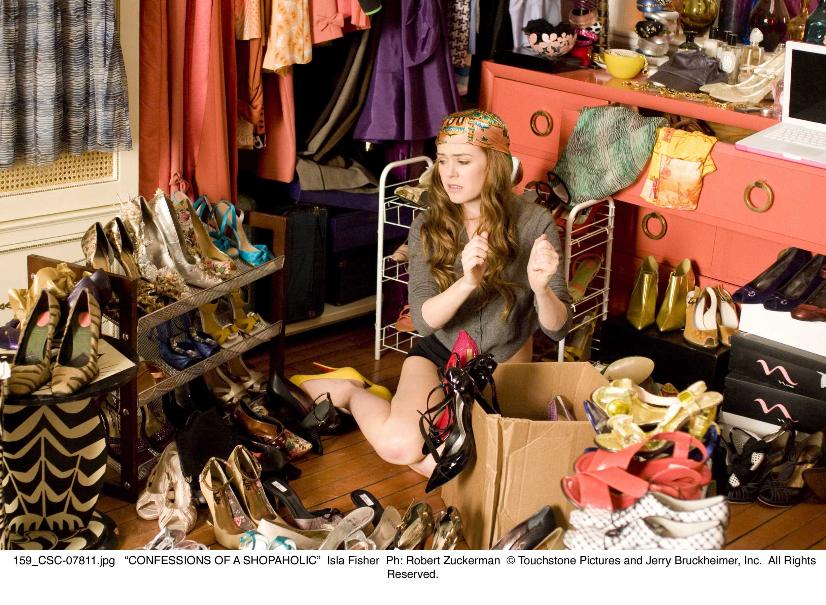
Consumerism is worldwide and filtering into all stages of life. Children are being overexposed to consumerism at a very young age. A vision of a dead girl’s ascent to a commercialised heaven is created in Dawe’s poem Breakthrough. It sets this young girl’s innocence against the evil of marketing strategies in a material society, which shows how far the media and consumerism have come. ‘Downy soft is draped aroung the stars’ shows that media and advertising have made it all the way to heaven. The girl is trapped and cannot escape the tortures of consumerism. In Confessions of a Shopaholic the main character Rebecca Bloomwood is entranced by consumerism from a young age. When she was seven, she watched as a lady purchased clothes ‘They didn’t even need any money; they had magic cards!’ she exclaims, a close up on her face shows a smile and a sparkle in her eyes as she admires the ‘magic’ credit card. Consumerism had begun to entice her. At seven years of age, she was already dreaming of material goods. Consumerism is growing, and is now starting to affect a younger and therefore wider audience.
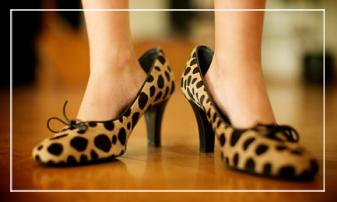
People are becoming over-attached to their possessions; they treat them like they are living things, and thus show affection towards them. Abandonment of Auto’s describes the disposal of a car in great detail, showing that it is an emotional and painful process. This is ironic. It reveals the worthlessness of the attachment in the first place. The poem makes a comparison to The Arab’s Farwell To His Steed by Caroline Norton. It suggests that abandoning a car is the same as the death of a horse, saying that the car is like a living thing, that there was a deep connection between it and its owner. However, the only item that the driver keeps to remember this relationship is the number plate. Dawe points this out and uses sarcasm to mock this phony relationship. A similar relationship between a person and material possessions can be seen in Confessions of a Shopaholic. The protagonist Rebecca Bloomwood is obsessed with shopping. ‘You know that thing where you see someone cute and he smiles and your heart kinda goes like warm butter sliding down hot toast, well that’s what it’s like when I see a store.’ She continually buys more clothes, but only wears them for one season, then there out of fashion. Despite this, she is unable to throw anything out, so her material possessions keep accumulating until she finally finds the ‘strength’ to dispose of them, then, like in Abandonment of Auto’s, she sells all of her material goods, things that meant so much to her only days before, and moves on without a second glance back. Consumerism is becoming increasingly dominant within society, as people are showing affection towards material objects.
The materialistic values of consumerism have made our world mechanical. Dawe makes reference to how worthless our world has become in Americanized where he states the mother is ‘off to nurse an invalid called the world.’ He is saying that our world has been broken, tarnished by consumerism, and there is no hope left. Dawe intensifies this feeling of hopelessness throughout the poem, with the mother being extremely protective of her son, locking him away, until he resents her and her ‘love.’ This is a metaphor for how America is changing Australia, how we are becoming ‘Americanized,’ and by the time we realise that people are using automatic smiles with nothing behind them, it will be too late. Material Girl by Madonna describes a ‘material world.’ It uses repetition to reinforce the idea that we are living in a world devoid of emotions. The song goes one step further, and also refers to people as being fake, ‘I am a material girl.’ The people in this world have no feelings, everything is false. People only care about money, their actions are mechanical and forced. Consumerism has changed so much over the years that it has now over-run our world and made it fictitious.
Consumerism is continually developing within our society. Bruce Dawe’s poems reflect the changes consumerism was undergoing in the 1950’s, and it can still be seen progressing today through the global consumer market. By analysing Dawe’s views in his poem’s, as well as more recent examples, we can see the havoc consumerism has caused and is continuing to cause within our society. Relationships aren’t real anymore, children are being overexposed to advertising and consumerism and people become excessively attached to their possessions which all imply that we are living in a fake world.
Links
Material Girl by Madonna video clip
http://www.veoh.com/watch/v810079QpAA8awz?h1=Madonna+-+Material+Girl
Confessions of a Shopaholic Movie Trailer
http://www.youtube.com/watch?v=ZYYCSEV-i1Y
Also see Americanized, Abandonment of Auto's, Breakthrough and Televistas by Bruce Dawe